
Mothers are not just mothers: How Tamil cinema is finally allowing moms to be human – F’day Spl. Article by Naveenbe human –

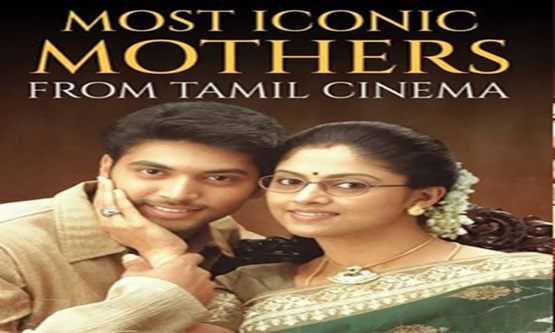

For decades, Tamil cinema placed mothers on a pedestal. She was the embodiment of sacrifice. She ate last, slept least, forgave everything and expected nothing in return. Whether it was the suffering mother played by actresses like Manorama, Pandari Bai or Saranya Ponvannan, the archetype remained largely unchanged. A mother’s pain was celebrated, her sacrifices glorified and her individuality erased.
Cinema often treated mothers less like people and more like symbols. But something has changed in recent years.
A new generation of filmmakers is questioning this long-standing portrayal and asking a simple yet radical question: What if mothers are human beings before they are mothers?
Beyond Sacrifice
One of the most anticipated examples of this shift is ‘Nooru Saami’, directed by Sasi.
The film reportedly challenges the tendency to deify mothers and instead focuses on a single mother who seeks companionship and emotional fulfillment. Rather than portraying motherhood as endless sacrifice, the film examines loneliness, desire and the right of women to make choices for themselves.
The very premise pushes back against the idea that mothers must stop being individuals once they have children.
The mother who wanted more
Though not entirely centred on motherhood, ‘Magalir Mattum’ offered one of Tamil cinema’s most refreshing looks at women whose identities had been swallowed by marriage and family responsibilities.
The film follows middle-aged women rediscovering dreams they abandoned decades earlier. It subtly asks why society accepts ambition in men but expects women—especially mothers—to quietly surrender their aspirations.
The women in the film are not saints. They are disappointed, frustrated, hopeful and imperfect. And that makes them relatable.
A mother with agency
In ‘Aruvi’, motherhood itself may not be central, but the film contributed to a larger movement in Tamil cinema that began prioritising women’s inner lives over their social roles.
Instead of defining female characters through relationships, films like ‘Aruvi’ focused on what women think, feel and want. This storytelling approach paved the way for more nuanced portrayals of mothers as well.
The silent revolution in family dramas
Recent family dramas have quietly moved away from the emotionally manipulative mother figure. Films such as ‘Good Night’ and ‘Dada’ portray mothers not as moral compasses but as ordinary family members with strengths and shortcomings.
In ‘Dada’, parenting itself is stripped of sentimentality. The film acknowledges that raising a child is difficult, exhausting and often messy. The focus shifts from ideal parenting to real parenting.
Breaking the “Amma Sentiment”
Tamil cinema has long relied on “amma sentiment” as an emotional shortcut. A suffering mother automatically guaranteed audience sympathy.
But contemporary filmmakers seem less interested in emotional worship and more interested in emotional truth. Mothers are now allowed to feel anger. They are allowed to be selfish. They are allowed to make mistakes.
Most importantly, they are allowed to have desires independent of their children. This marks a significant departure from older films where a mother’s happiness existed solely through the success of her son or daughter.
Why this shift matters
The change reflects larger social conversations happening outside cinema. Women today are speaking openly about mental health, loneliness, identity, marriage, motherhood and personal fulfillment. Tamil cinema is gradually catching up to these realities.
The traditional image of the endlessly sacrificing mother may have been emotionally powerful, but it also placed an impossible burden on real women.
By portraying mothers as individuals with dreams, regrets and emotional needs, cinema is doing something surprisingly revolutionary. It is humanising them.
